/eh/2025-01-08/173633966714069467/picture.png)

/eh/2024-12-24/173503345348979036/Favorite-Icon.png)
/eh/2025-07-08/1751962110204480194/picture.png)
/eh/2025-06-21/1750485478958537574/countryInfoIcon.png)
/eh/2025-06-21/1750485741321434291/Hi-Sign-in-My-Nihao.png)
/eh/2025-06-21/1750485837193896318/cart.png)
/eh/2025-06-21/1750485968202533847/cart.png)
/eh/2025-04-17/1744862476612819675/hot-img.png)
/eh/2025-11-07/1762504524550532584/header-icon.jpg)
/eh/2025-07-07/1751875582852206790/header-icon.png)
/eh/2025-07-07/1751875587886277738/header-icon.png)

Best in 7 days

home
>
l carnitine mitochondrial dysfunction L-Carnitine and Acylcarnitines: Mitochondrial Biomarkers for Precision Medicine
>
l carnitine mitochondrial dysfunction L-Carnitine and Acylcarnitines: Mitochondrial Biomarkers for Precision Medicine



download picture
description
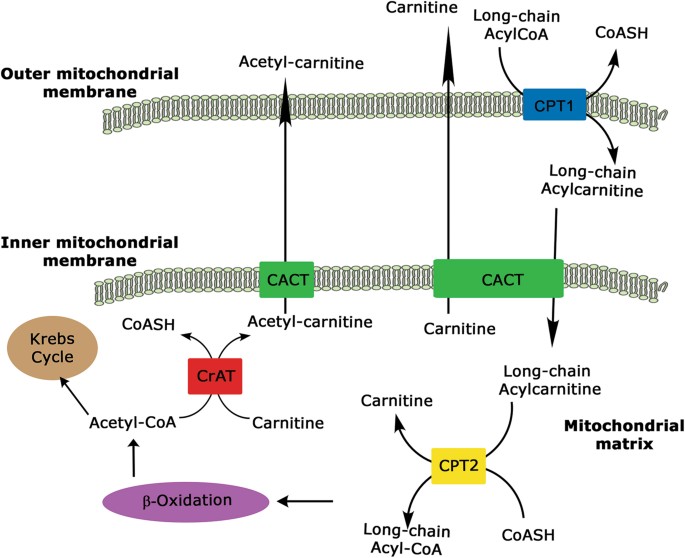
Metabolism of ALCAR in brain. The mitochondrial membrane permeable Download Scientific Diagram Carnitine is an essential cofactor for transport of long chain fatty acids into mitochondria, where oxidation takes place. Carnitine deficiency leads to depressed mitochondrial oxidation of fatty acids, resulting in storage of fat Medium chain fatty acid oxidation is independent of l carnitine in liver and kidney but not in heart and skeletal muscle American Journal of Physiology Gastrointestinal and Liver Physiology American Physiological Society The Role of l Carnitine in Mitochondria, Prevention of Metabolic Inflexibility and Disease Initiation The carnitine system and cancer metabolic plasticity Cell Death & Disease Carnitine: Top 3 Anti Aging Benefits of This Super Nutrient

Shopping security
product description
Why choose thelockerguy wholesale?

l carnitine mitochondrial dysfunction L-Carnitine and Acylcarnitines: Mitochondrial Biomarkers for Precision Medicine
Item no
:
40622091040
US$ 27.97
Pay in 4 interest-free payments of $6.99 Learn more
Min. order:
1piece
Shipping Estimate
USA
- USA
- CAN
- USA
- CAN
Ships within 48 hours · Estimated delivery Jun 7 - Jun 12
US$40
Get nowSign up to your membership to get coupons up to
15%
Get nowOpportunity to enjoy order discount up to 15% off
Please add the products
Shipping Notes
- Free Standard Shipping on $100+ Orders to the USA.
- Except Preorder products are shipped in 48 hours.
- Delivery to the USA:
- Standard Shipping : 3-10 business days
- If time is of the essence, please consider selecting expedited delivery for faster service.
Exchange/Return Notes
- We offer a 30-day return/exchange service after receiving.
- Final sale items are not eligible for returns or exchanges.
- To process your return/exchange, please contact us at [email protected]
- Please click here for more details>>> Return & Exchange Policy
Discover Niche Categories That Outsell l carnitine mitochondrial dysfunction
Top-Converting Item to Boost Your Average Order
Best in 7 days

Best in 7 days
Best in 7 days

Best in 7 days

recommand products